Janet Chong-Lee
-
Are Glass Bottles Really “Worse” Than Plastic? The Truth About Microplastics and How to Fix the Real Problem
🧃 What the headlines said You may have seen the headline: “Glass bottles have more microplastics than plastic bottles.” That sounds shocking; most of us think glass is cleaner and safer than plastic. But don’t worry: the story isn’t as scary as it sounds. 🧪 What the study actually found A French research group (ANSES,…
-
Small Changes, Big Impact: 5 Simple Ways to Make Healthcare More Sustainable
In healthcare, sustainability can feel like an overwhelming challenge. Between safety regulations, patient needs, and high-volume operations, it’s easy to assume that reducing waste means adding complexity. But the truth is, small, strategic changes can have a huge impact, especially in a sector that accounts for nearly 5% of global greenhouse gas emissions. 1. Switch…
-
The Future of Pharmacy Is Circular: How Reuse Can Redefine Sustainability
The Future of Pharmacy Is Circular In a world where healthcare is evolving, one area has been left behind: packaging.From single-use prescription vials to over-wrapped products and PPE, pharmacy waste continues to pile up, quietly but persistently. It’s time to ask:Does it have to be this way? Linear vs Circular — What’s the Difference? Today’s…
-
Healthcare Waste – The Hidden Environmental Cost of Prescriptions
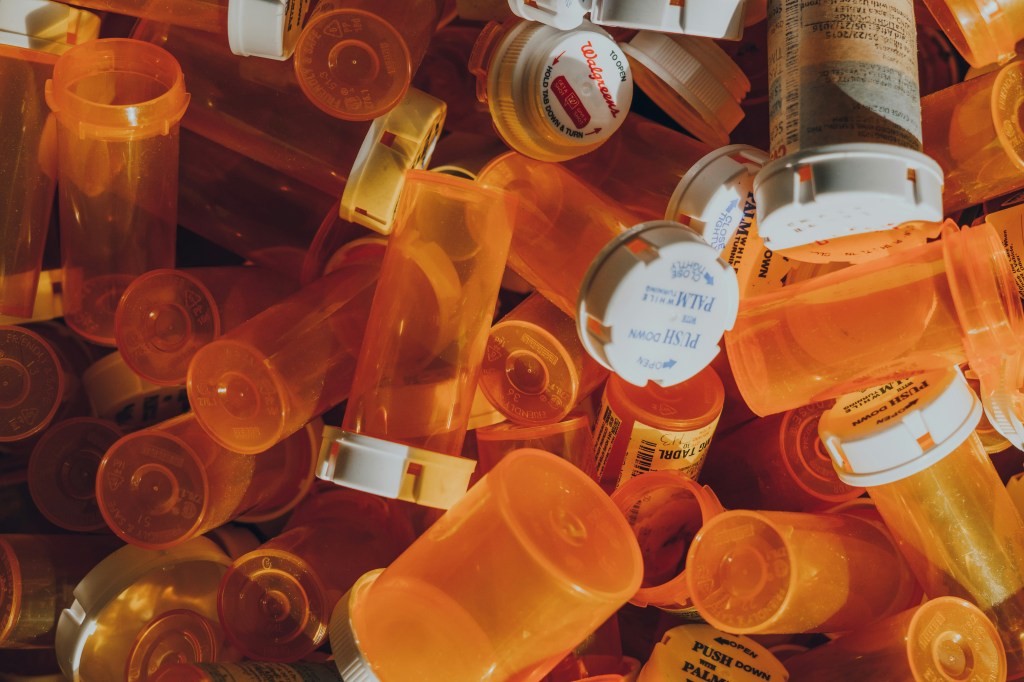
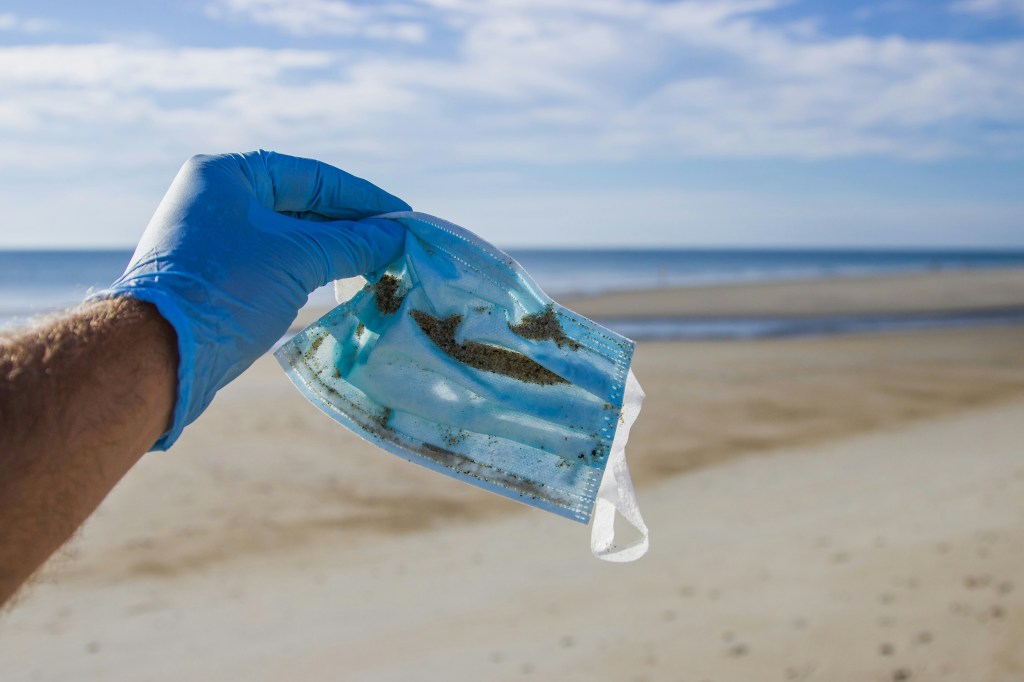
Healthcare Waste: Bigger Than You Think When you pick up a prescription, you probably don’t think about the environmental footprint it leaves behind. But the reality is that healthcare generates huge amounts of single-use waste. From the vial that holds your medication to the mask your pharmacist wears to protect you. It’s a system designed…
-
Microplastics: A Hidden Healthcare Crisis
Microplastics: Not Just an Ocean Problem When we think of microplastics, we imagine plastic bags drifting in the ocean or tiny fibers from synthetic clothing. But microplastics aren’t just an environmental issue—they’re also a healthcare issue. From single-use prescription vials to disposable medical packaging, healthcare contributes significantly to the plastic waste stream. And while these…
-
The Problem with Single-Use Vials, and What We Can Do About It
Every year, over 500 million plastic prescription vials are thrown out across North America. Most of them end up in landfills, oceans, or incinerators; rarely recycled, often forgotten, and almost always single-use. In healthcare, sustainability is often treated as an afterthought. But that’s beginning to change. At VialCycle, we believe there’s a smarter, more sustainable…
-
The Plastic Pollution Problem – Part 2
Canada recycles just 9 per cent of its plastics with the rest dumped in landfills and incinerators or tossed away as litter. Polypropylene—the plastic used for prescription vials—continues to have an extremely low recycling rate, hovering around 1%, due to the challenges of sorting and processing it for reuse Recent studies have further highlighted the…
-
The Plastic Pollution Problem – Part 1
The Linear Economy – a Problem in All Sectors Traditionally, products were designed for convenience and low cost, with no afterthought or consideration to its impact on the earth and the environment. “The way our economies extract, use, then dispose of resources is putting pressure on our natural systems, communities, and public health.” A linear…
 VialCycle's Blog