Microplastics: Not Just an Ocean Problem
When we think of microplastics, we imagine plastic bags drifting in the ocean or tiny fibers from synthetic clothing. But microplastics aren’t just an environmental issue—they’re also a healthcare issue.
From single-use prescription vials to disposable medical packaging, healthcare contributes significantly to the plastic waste stream. And while these plastics are designed to protect patient safety, they often outlive their purpose by hundreds of years.
Did you know? The Canadian healthcare system is responsible for about 5% of the country’s total carbon emissions, and a major source of that waste is single-use plastic.
What Are Microplastics?
Microplastics are tiny fragments of plastic—less than 5mm in size—that break down from larger items like bottles, packaging, and even medical waste.
They’re small enough to pass through water filters, enter rivers and oceans, and eventually end up in our food, water, and even the air we breathe.
Recent research shows that microplastics have been detected in human blood, lungs, and even plaque in arteries—linked to heart disease.
National Geographic – Microplastics in Human Plaque Linked to Heart Disease
Healthcare’s Hidden Plastic Problem
Healthcare facilities—from hospitals to community pharmacies—are heavily dependent on single-use plastic for safety and sanitation. But once these items leave the pharmacy counter, most:
- Aren’t recyclable. Depending on the municipality, prescription vials are too small or often rejected by recycling facilities due to other factors.
- End up in landfills or incinerators, releasing toxins into the environment.
- Break down into microplastics over time, polluting soil and water.
In North America alone, over 500 million plastic prescription vials are used every year. Most are designed for one-time use, even though they’re durable enough to last decades.
Why This Matters for Everyone
Plastic pollution isn’t just an environmental problem anymore. It’s becoming a human health problem.
- Microplastics may carry toxic chemicals like BPA and phthalates
- They’ve been found in seafood, drinking water, and even table salt
- Scientists are studying their potential role in hormonal disruption, inflammation, and organ damage
Reducing plastic waste in healthcare is an urgent step toward healthier patients and a healthier planet.
The VialCycle Solution: Small Change, Big Impact
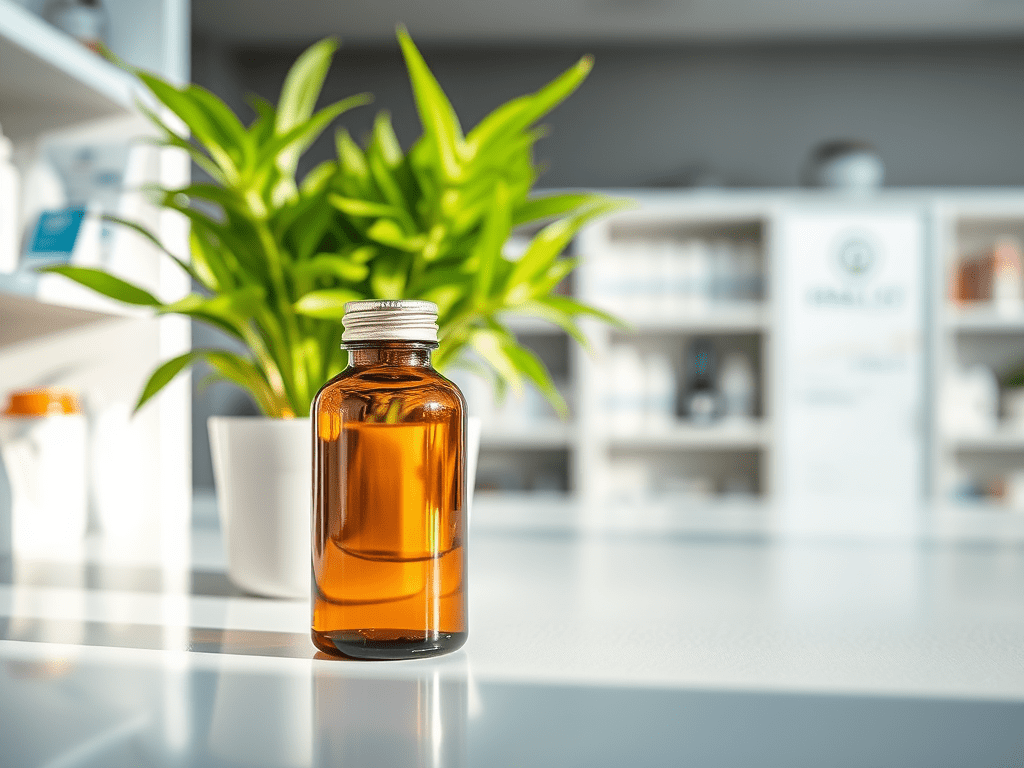
That’s why we created VialCycle—a reusable, refillable glass vial system designed to integrate seamlessly into pharmacy workflows.
- ✅ Durable & refillable for long-term use
- ✅ Compatible with standard pharmacy labels
- ✅ Easy for patients to clean and return
- ✅ Cuts single-use waste without adding extra steps for pharmacists
It’s a simple change that can eliminate thousands of single-use bottles per pharmacy, every year.
How You Can Help
Whether you’re a pharmacist, patient, or advocate for a healthier future, you can take action:
- 💊 Ask your local pharmacy if they offer a reusable vial program
- ♻️ Support pharmacies participating in sustainability pilots like VialCycle
- 📢 Share this post during #PlasticFreeJuly to spread awareness
Final Thoughts
Healthcare is supposed to protect life—but it shouldn’t harm the planet in the process. By rethinking the way we use (and reuse) everyday items like prescription vials, we can reduce microplastic pollution and create a system that works better for everyone.
Small changes lead to big impact. Join the re-use revolution.
References & Further Reading
WHO – Microplastics in Drinking Water
National Geographic – Microplastics in Human Plaque Linked to Heart Disease
 VialCycle's Blog
Leave a comment